
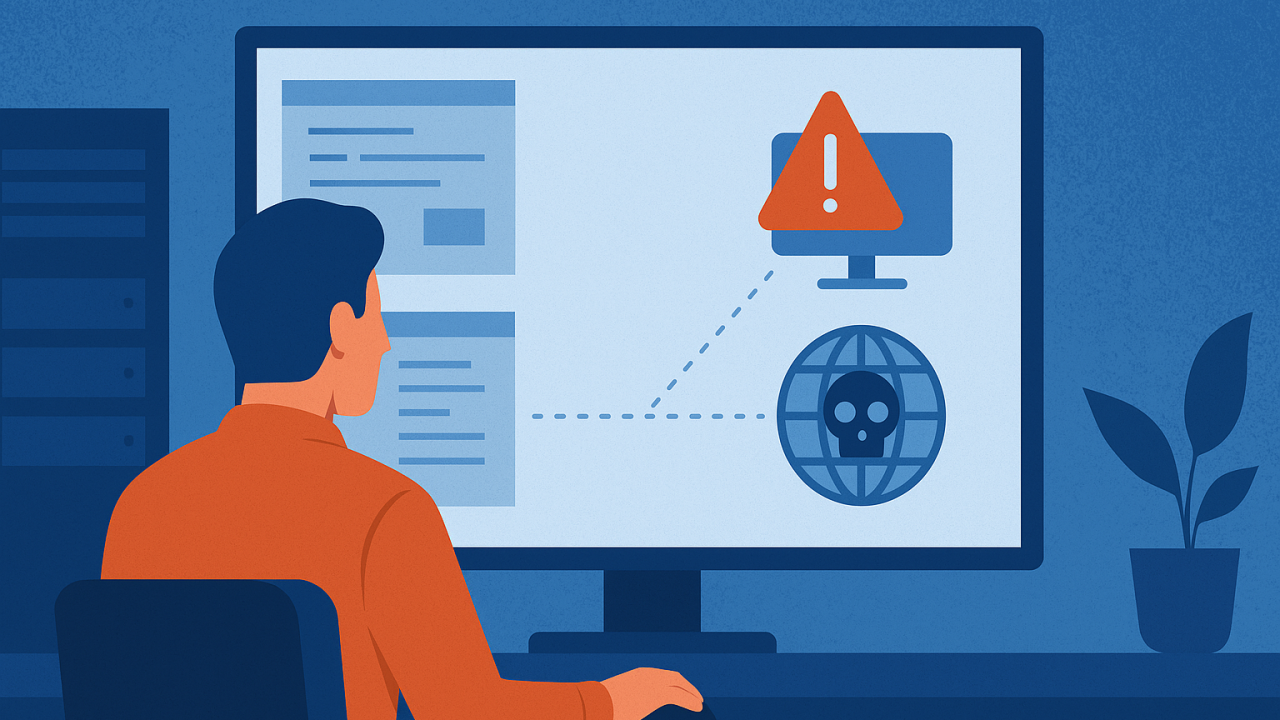
Why Hands-On Labs Matter in Cybersecurity Training
From Theory to Real-World Skills
Cybersecurity is not a theory-based field. Knowing concepts is important, but real security skills are built through hands-on practice. This is why hands-on labs are a critical part of effective cybersecurity training.
In this article, we explain why hands-on labs matter and how they prepare you for real-world cybersecurity roles.
Cybersecurity Is a Practical Skill
Cyber threats are dynamic and unpredictable. Professionals must:
- Detect attacks in real time
- Respond under pressure
- Use security tools effectively
- Make decisions based on live data
These skills cannot be learned from videos alone.
What Are Hands-On Cybersecurity Labs?
Hands-on labs are simulated environments where learners:
- Practice real security tasks
- Work with industry tools
- Analyze live attack scenarios
- Learn by doing, not memorizing
Labs replicate real-world systems, networks, and threats.
1. Real-World Experience Before the Job
Hands-on labs expose learners to:
- Security alerts and logs
- Malware behavior
- Network traffic analysis
- Incident response workflows
This experience helps bridge the gap between learning and employment.
2. Builds Confidence and Problem-Solving Skills
When learners actively practice:
- They gain confidence handling incidents
- They improve analytical thinking
- They learn how to troubleshoot issues
Confidence is essential for cybersecurity roles.
3. Helps You Understand Security Tools
Hands-on labs allow you to work with:
- SIEM and monitoring tools
- Firewalls and endpoint security
- Vulnerability scanners
- Cloud security controls
Employers expect familiarity with real tools—not just theory.
4. Improves Certification Success
Many cybersecurity certifications are scenario-based. Labs help you:
- Understand exam objectives better
- Apply concepts practically
- Retain knowledge longer
Practical training significantly improves pass rates.
5. Simulates Real Cyberattacks
Hands-on labs often include:
- Phishing simulations
- Malware infections
- Network intrusions
- Cloud misconfigurations
Learning how attacks work makes defense stronger.
6. Prepares You for Entry-Level Roles
Most entry-level cybersecurity roles require:
- Monitoring alerts
- Investigating incidents
- Following response procedures
Hands-on labs prepare you for these responsibilities before your first job.
Theory Alone Is Not Enough
Watching videos or reading material creates awareness—but not mastery. Cybersecurity professionals must practice continuously to stay effective.
Final Thoughts
Hands-on labs are the foundation of real cybersecurity expertise. They transform learners into professionals who can respond, defend, and protect systems confidently.
If you’re serious about a cybersecurity career, choose training that prioritizes practical, hands-on learning.
🔐 Learn by Doing with SecByte
SecByte programs include hands-on labs, real-world scenarios, and practical workflows to help you build job-ready cybersecurity skills.
Practice today. Protect tomorrow. 🚀
You May Also Like

-
Dec 27, 2025
Common Cybersecurity Myths Beginners Should Ignore What You Really Need to Succeed Cybersecurity is one of the most in-demand careers...
-
Dec 27, 2025
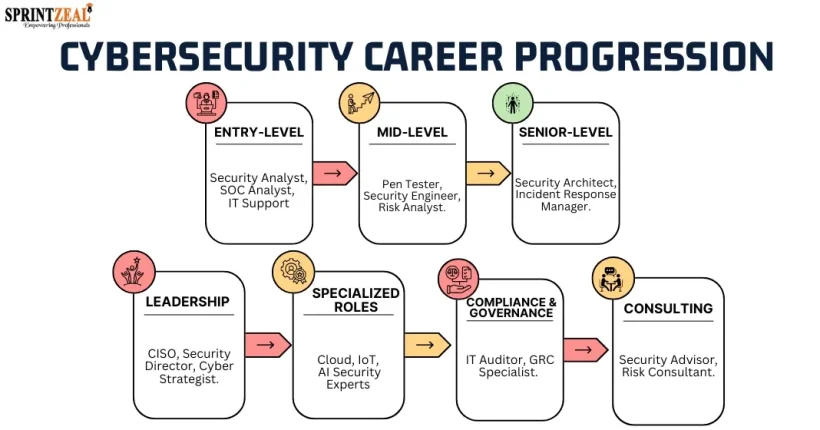
Choose the Right Role for Your Future Cybersecurity Career Paths Explained Choose the Right Role for Your Future Cybersecurity is...

-
Dec 27, 2025
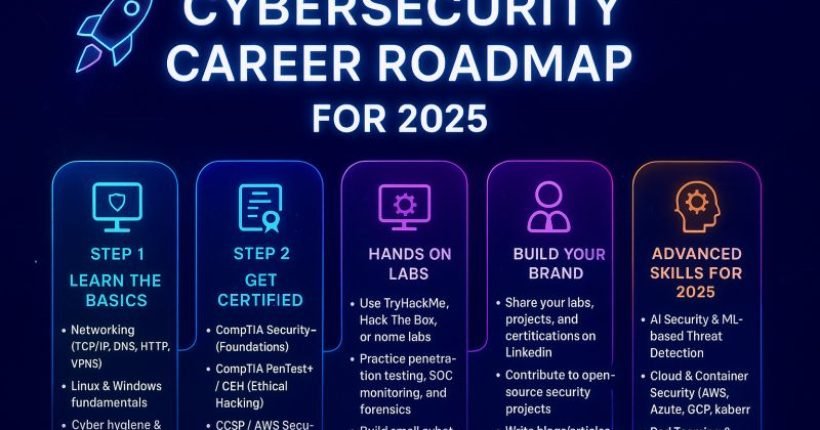
Top Cybersecurity Certifications Employers Trust A Practical Guide for Career Growth In today’s competitive job market, cybersecurity certifications play a...
-
Dec 27, 2025
A Beginner’s Complete Guide Cybersecurity is no longer optional—it’s one of the fastest-growing and most in-demand career fields worldwide. As...
Sign up to receive our latest updates
Get in touch
Call us directly?
+1 753-779-2177
+8801680032529
Visit Us
Bussiness Address :Head office:
30 N Gould St Ste R Sheridan, WY 82801,USA
Branch 1:
C/82,17 SecByte ,Gazipur Sadar,Gazipur,Dhaka,Bangladesh
contact@secbyte.org
Need some help?
Partners List

- © 2026 SecByte.org rights reserved.