
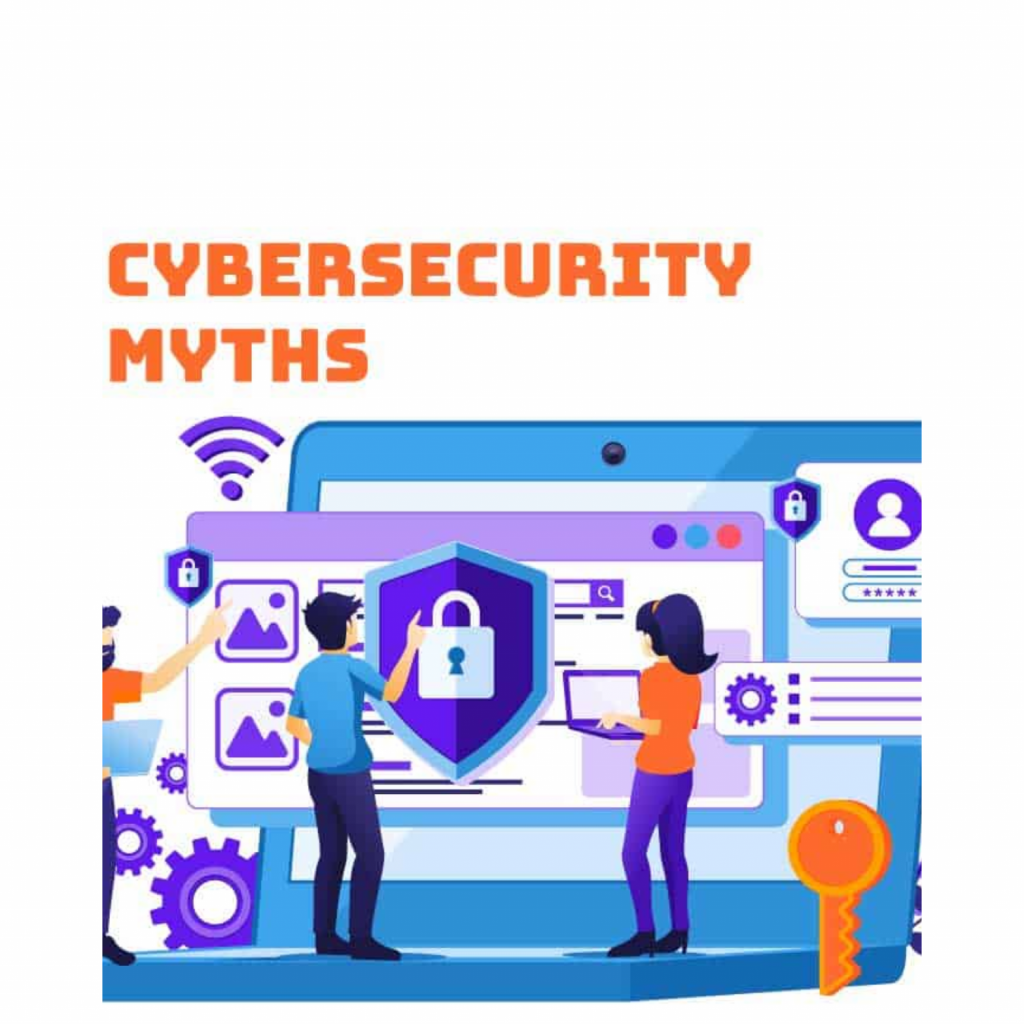
Common Cybersecurity Myths Beginners Should Ignore
What You Really Need to Succeed
Cybersecurity is one of the most in-demand careers today—but it’s also surrounded by misinformation and myths, especially for beginners. These myths often discourage capable learners from entering the field.
Let’s break down the most common cybersecurity myths and uncover the truth behind them.
Myth 1: You Must Be a Hacker to Work in Cybersecurity
Reality:
Most cybersecurity roles focus on defense, monitoring, and risk management, not hacking. Ethical hacking is only one part of the field.
Many professionals work in SOC, compliance, cloud security, and governance roles.
Myth 2: You Need Advanced Programming Skills
Reality:
While programming can be helpful, it is not mandatory for beginners. Many entry-level roles focus on tools, analysis, and processes rather than coding.
You can start without coding and learn it gradually if needed.
Myth 3: Cybersecurity Is Only for IT Professionals
Reality:
People from non-IT backgrounds successfully transition into cybersecurity every year.
Skills like analytical thinking, attention to detail, and problem-solving are often more important than previous job titles.
Myth 4: Certifications Alone Will Get You a Job
Reality:
Certifications help, but employers look for practical skills and hands-on experience as well.
The best approach is combining certifications with labs, real-world scenarios, and continuous practice.
Myth 5: Cybersecurity Is Too Hard to Learn
Reality:
Cybersecurity can seem complex, but with structured learning paths, it becomes manageable and achievable—even for beginners.
Starting with fundamentals makes advanced topics easier over time.
Myth 6: You Must Know Everything About Security
Reality:
Cybersecurity is a broad field. No one knows everything.
Professionals specialize in specific areas and continue learning throughout their careers.
Myth 7: Cybersecurity Has No Entry-Level Jobs
Reality:
There are many entry-level roles such as SOC Analyst, Security Analyst, and Junior Security Engineer designed for beginners.
These roles provide on-the-job learning and career growth.
Myth 8: Cybersecurity Is Only About Technology
Reality:
Cybersecurity also involves people, processes, and policies. Roles in governance, risk, and compliance focus more on strategy and decision-making.
Myth 9: You Need Expensive Equipment to Practice
Reality:
Many hands-on labs and virtual environments allow learners to practice without expensive hardware.
Cloud-based labs make cybersecurity training accessible to everyone.
Myth 10: It’s Too Late to Start a Cybersecurity Career
Reality:
Cybersecurity welcomes career switchers of all ages. Skills and mindset matter more than age or background.
Final Thoughts
Cybersecurity is not limited to a single path, background, or skill set. Ignoring these myths can help you start with clarity and confidence.
With the right training, hands-on practice, and certifications, anyone can build a successful cybersecurity career.
🚀 Start with Confidence at SecByte
SecByte helps beginners break myths, build real skills, and grow confidently into cybersecurity professionals.
Don’t let myths stop your future. 🔐
You May Also Like
-
Dec 27, 2025
Why Hands-On Labs Matter in Cybersecurity Training From Theory to Real-World Skills Cybersecurity is not a theory-based field. Knowing concepts...
-
Dec 27, 2025
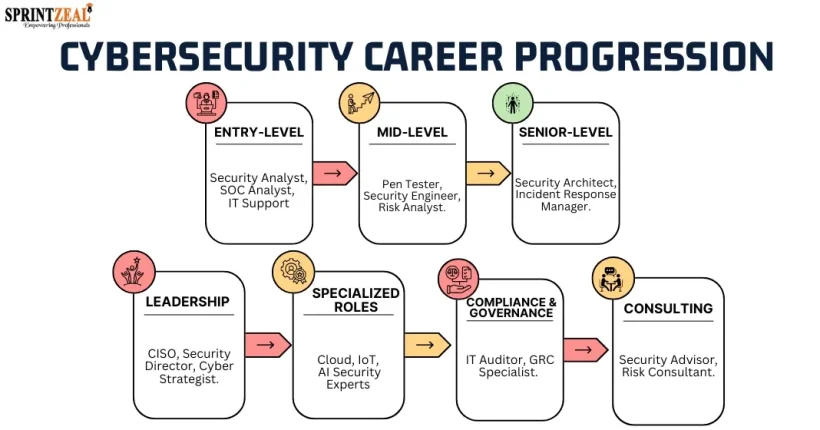
Choose the Right Role for Your Future Cybersecurity Career Paths Explained Choose the Right Role for Your Future Cybersecurity is...
-
Dec 27, 2025
Top Cybersecurity Certifications Employers Trust A Practical Guide for Career Growth In today’s competitive job market, cybersecurity certifications play a...
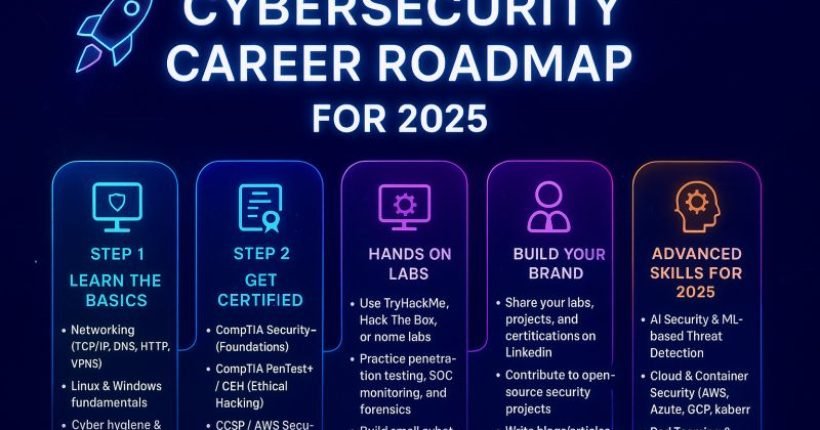
-
Dec 27, 2025
A Beginner’s Complete Guide Cybersecurity is no longer optional—it’s one of the fastest-growing and most in-demand career fields worldwide. As...
Sign up to receive our latest updates
Get in touch
Call us directly?
+1 753-779-2177
+8801680032529
Visit Us
Bussiness Address :Head office:
30 N Gould St Ste R Sheridan, WY 82801,USA
Branch 1:
C/82,17 SecByte ,Gazipur Sadar,Gazipur,Dhaka,Bangladesh
contact@secbyte.org
Need some help?
Partners List
- © 2026 SecByte.org rights reserved.